The heart
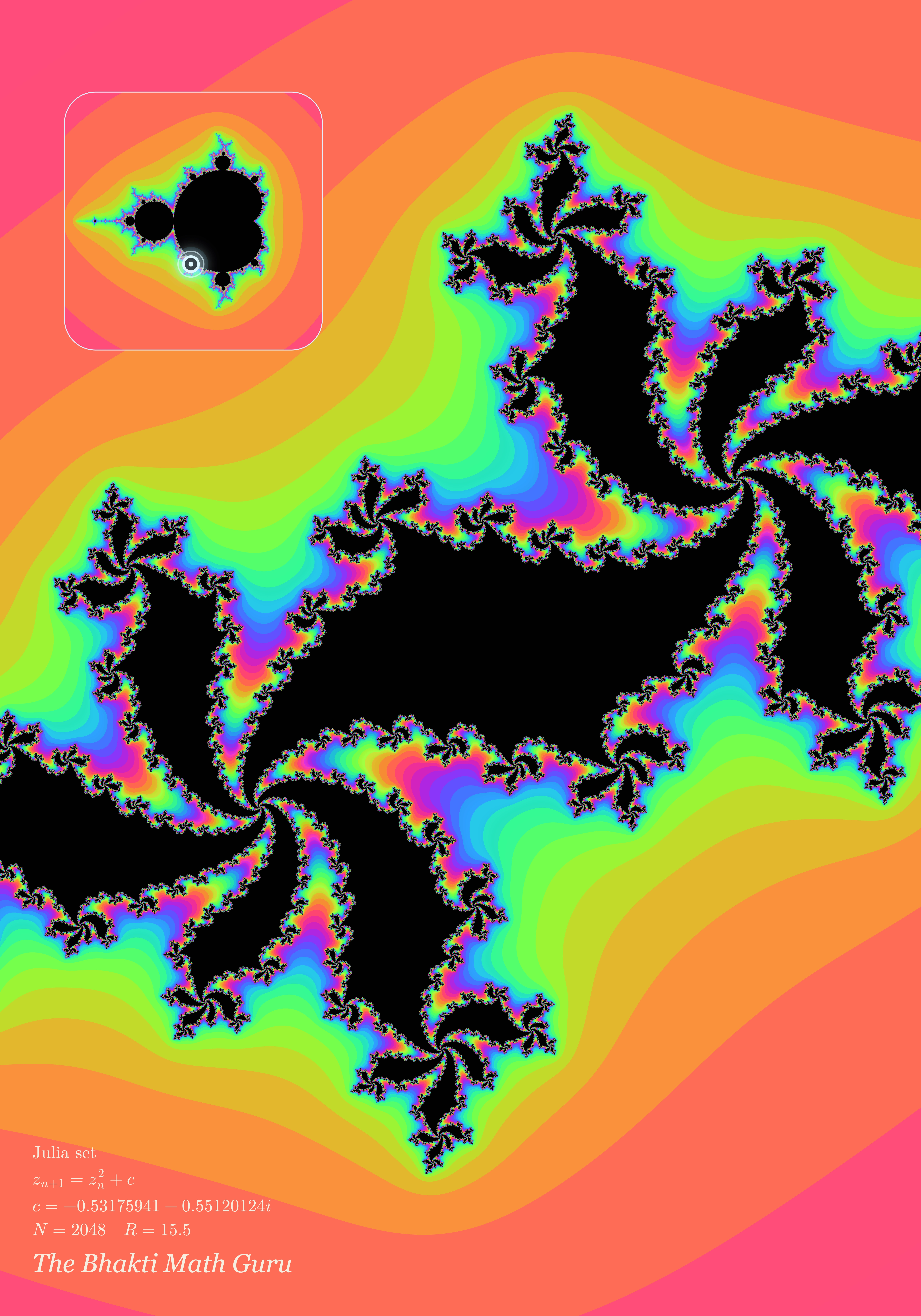
The heart says, “Wow, that’s beautiful. I’m interested in that.”
The rigors of the mind say, “Okay, well, what is this? Let me come to know mathematics through this rigorous clarity.”
Not merely, “Oh, look, it’s pretty,” but, “It’s beautiful, but I’d like to understand the subtleties that make this shape what it is.” That’s the mathematical awareness that needs to be cultivated.
The attention
The very practice of mathematics done in this autotelic way develops a strong attention field: the capacity to focus oneself on something to the exclusion of other things. It’s meditation.
This is a contemplation practice that ties in with the full cultivation of a human being, so that they may meditate more deeply in greater freedom, in greater clarity.
They may live with greater love in their heart, may understand the subtleties of prosody and feeling—to feel what something feels like, to open those faculties of consciousness.
We need to protect the artist within. We need to retain the innocence of an inspired mind.
“What is that? Show me. Why does that happen?”
This should be careful not to extinguish the spontaneous.
When a student is born into the universe with wonder and awe, and they enter the education system of the past, they find it disenchanting, and it extinguishes some purity within them that even the most sincere mathematics student must contend with. I experienced it.
None of this has to be boring, and none of it has to be so rigidly the bad discipline. It’s a discipline of inspiration that drives a student to learn.
Enlightened mathematics
I’m trying to create the correct relationship with mathematics education by dispelling the illusions around it and connecting it with enlightenment.
This is enlightened mathematics. That’s what it is for an enlightened society.