Little parts
Those initial parts you put together, you may put them on one side of the puzzle and then another side. Eventually it comes into focus and you see, “Oh, it’s this picture of a lion.” Before, you might have just seen a paw and a tree in the background.
This is how education is. A student can be learning a number of things, and they start to come into focus.
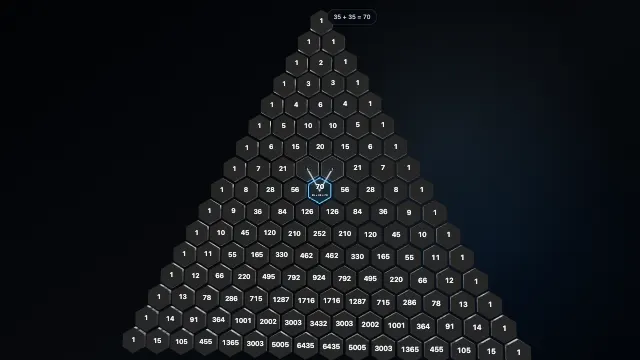
- Doubling 1, 2, 4, 8…
- Hypercube Vertices
- Powers 2n
There’s a level of subtlety and rigor with which one can apprehend a particular mathematical abstraction.
Familiarity
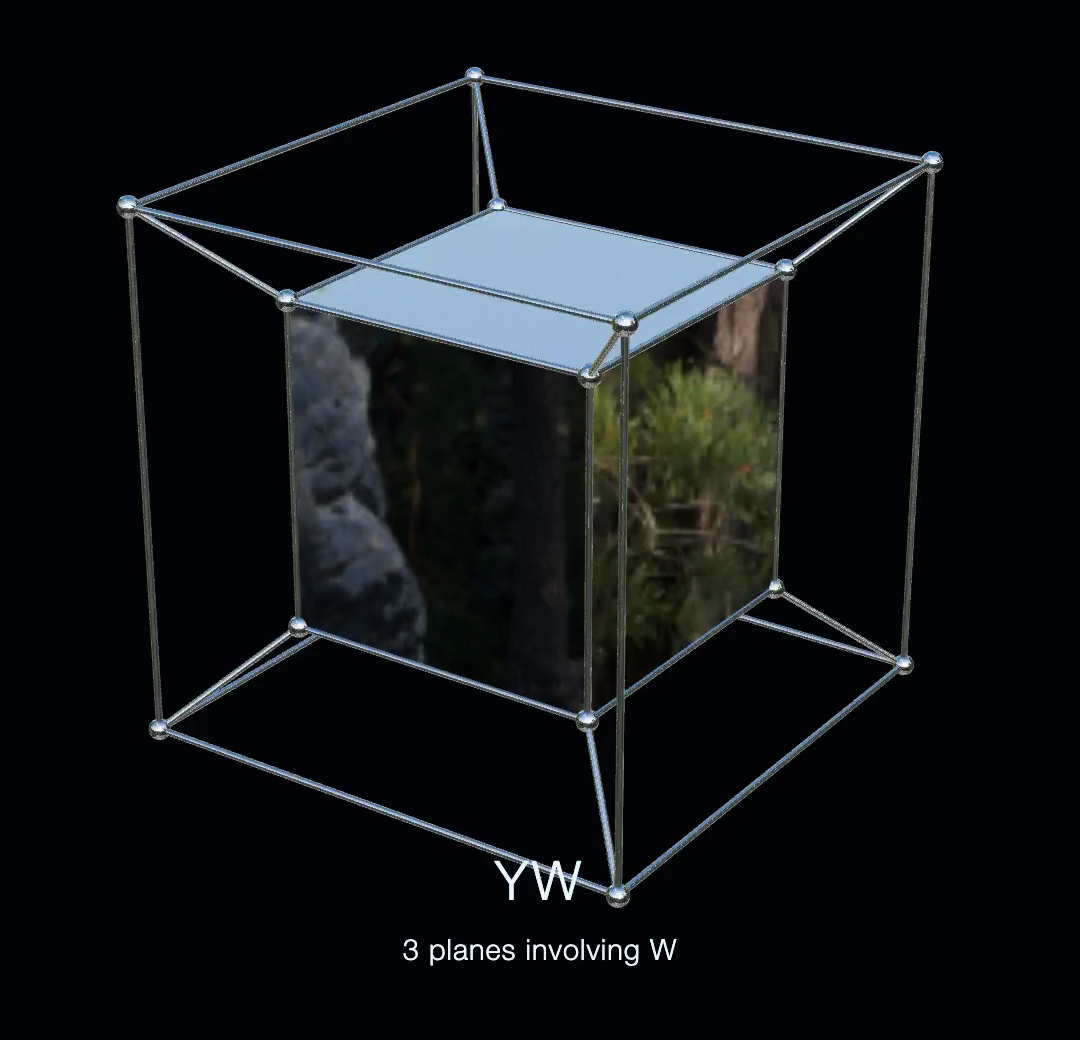
You could show a six-year-old a hypercube, or something advanced, and just them looking at it brings it into a familiarity that develops their mind.
But there’s the rigorous cultivation. If they were looking at it, they’re saying, “Oh, look. Look how many sides it has: one, two, three, four, five, six, seven, eight.” They can just count the sides. That’s the level with which they’re able.
It’s never the same person reading it twice
A classic—a really great book or film—it’s never the same person reading it twice.
You go on vacation somewhere for the second time, it’s a different place because you’re different. You read the book for a second time, it’s a different book because you’re different.
That principle applies here. That allows a student to revisit Worlds.